
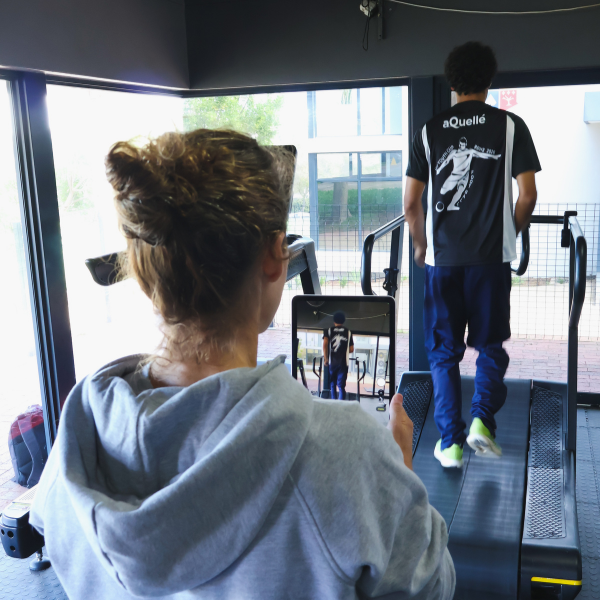
You may have heard the term “biokinetics” but wondered what a biokineticist actually does. Is it only for athletes? Do you need to have an injury before seeing one?
The answer is no to both.
A biokineticist is a healthcare professional who specialises in exercise therapy and human movement. Biokinetics can help people of all ages and activity levels to improve strength, mobility, fitness and physical function, whether they are recovering from an injury, managing pain, returning to sport or simply wanting to become more active.
What does a biokineticist do?
A biokineticist assesses how your body moves and uses individually prescribed exercise to address areas that may be limiting your physical function. An assessment may look at:
- Strength
- Mobility and flexibility
- Balance and stability
- Posture and movement patterns
- Functional ability
- Cardiovascular fitness
- Sport- or activity-specific movement
Your programme is then developed around your current abilities, needs and goals. It may include strength training, mobility exercises, balance and stability work, cardiovascular conditioning, functional movement or sports-specific rehabilitation. Unlike a general gym programme, exercise therapy is specifically prescribed for you and adjusted as you progress.
When should you see a biokineticist?
You do not have to wait until you are injured. Biokinetics may be appropriate if you are:
- Recovering from an injury or surgery
- Living with ongoing pain
- Managing a chronic condition
- Experiencing weakness, reduced mobility or balance difficulties
- Returning to exercise after a long break
- Preparing to return to sport
- Looking to improve your strength or fitness
- Wanting to maintain your physical abilities as you get older
- Unsure how to exercise safely or where to begin
Your goal does not have to be athletic. You may simply want to walk more comfortably, feel stronger, improve your balance or have greater confidence in your ability to move.
What can biokinetics help with?
Biokineticists work with a wide range of injuries, conditions and physical limitations, including:
- Knee, shoulder, hip and ankle injuries
- Back and neck pain
- Sports injuries
- Muscle, tendon and ligament injuries
- Rehabilitation following injury or surgery
- Joint replacements
- Arthritis and other joint conditions
- Chronic pain
- Balance and mobility difficulties
- Reduced physical function
- Chronic conditions such as diabetes, hypertension, heart disease and obesity
Biokinetics can form part of a broader healthcare plan, with a biokineticist working alongside your doctor, physiotherapist or other healthcare professionals where appropriate.
Biokinetics after injury or surgery
Following an injury or surgery, rehabilitation may progress from protecting the affected area and restoring basic movement to rebuilding strength, fitness and physical capacity. A biokineticist can help with this progression, preparing you to return to everyday activities, work, exercise or sport. Depending on your needs, your programme may focus on strength, mobility, balance, movement control, cardiovascular fitness and confidence with movement.
Can a biokineticist help with chronic pain?
If you live with ongoing pain, you may be hesitant to exercise. Appropriate, gradual exercise can help improve physical capacity and confidence in movement. The aim is not to simply push through pain. Your biokineticist considers what your body can currently tolerate and adjusts the programme as your ability changes.
Do you have to be an athlete?
No. This is one of the common misconceptions about biokinetics. You can see a biokineticist because you want to become stronger, fitter or more mobile, or because you are returning to exercise after a long break and are unsure where to start. The programme begins with your current ability and progresses towards your goals.
How can MoxBiokinetics help?
At MoxBiokinetics, exercise programmes are tailored to your abilities, medical history, goals and progress. Whether you are recovering from an injury, managing a chronic condition, returning to sport or simply want to feel stronger and move more confidently, biokinetics can help you build physical capacity and support long-term physical wellbeing.
Life through movement.
Recent Comments